
There was something about Sunday dinner in the 1970s that just felt different.
It wasn’t necessarily an elaborate meal. In many homes, it was something fairly simple: a roast in the oven, potatoes on the stove, a vegetable or two, and maybe a pie waiting for later.
But Sunday dinner wasn’t really about how fancy the food was.
It was about the fact that people had time for it.
The kitchen was busy. Someone was checking the oven. Someone else was setting the table. Kids were being told to wash their hands, and eventually somebody would call out, “Dinner’s ready!”
For a few hours, everyone was expected to be in the same place.
Today, that’s what can make memories of Sunday dinner in the 1970s feel so special.
Sunday Had Its Own Rhythm
For many American families, Sunday followed a different rhythm from the rest of the week.
Monday through Friday were filled with school, work, errands, and the usual rush to get dinner on the table. Saturday could be just as busy with shopping, cleaning, projects, or visiting friends and relatives.
Sunday often moved a little more slowly.
Some families went to church. Others visited grandparents or relatives. Some simply stayed home and enjoyed a quieter day.
And because there was usually less pressure to get dinner finished in thirty minutes, cooking could become part of the day’s routine.
A roast could spend several hours in the oven.
Potatoes could simmer on the stove.
Vegetables could be prepared while someone set the table.
Dinner wasn’t something squeezed between activities.
Dinner was one of the activities.
The Sunday Roast Was a Family Favorite
When people picture a traditional Sunday dinner, a roast is often one of the first things that comes to mind.
Depending on the family, it might have been roast beef, pot roast, baked ham, roast chicken, or another cut of meat cooked slowly until tender.
The sides were usually familiar, too:
- Mashed potatoes
- Gravy
- Green beans
- Carrots
- Corn
- Dinner rolls
- Homemade biscuits
- A simple salad
Nothing about the meal had to be particularly fancy.
That was part of its charm.
These were foods people knew how to cook without opening a recipe on their phone or searching for a video.
Recipes were often written on index cards or copied into well-used cookbooks. Sometimes they weren’t written down at all.
Ask someone how much flour went into a recipe and you might hear:
“Just add enough.”
And somehow, that was a perfectly good measurement.
The Kitchen Was the Heart of the House
Sunday dinner usually started long before anyone sat down at the table.
The kitchen might have been the busiest room in the house.
A roast was cooking in the oven while potatoes boiled on the stove. Someone was washing vegetables. Someone else was making a salad or getting dessert ready.
There weren’t endless kitchen gadgets to do the work.
A good oven, a few pots and pans, a mixing bowl, a sharp knife, and plenty of experience could produce a wonderful meal.
Then there were the smells.
Roasting meat.
Onions cooking in a pan.
Garlic.
Fresh bread.
Potatoes.
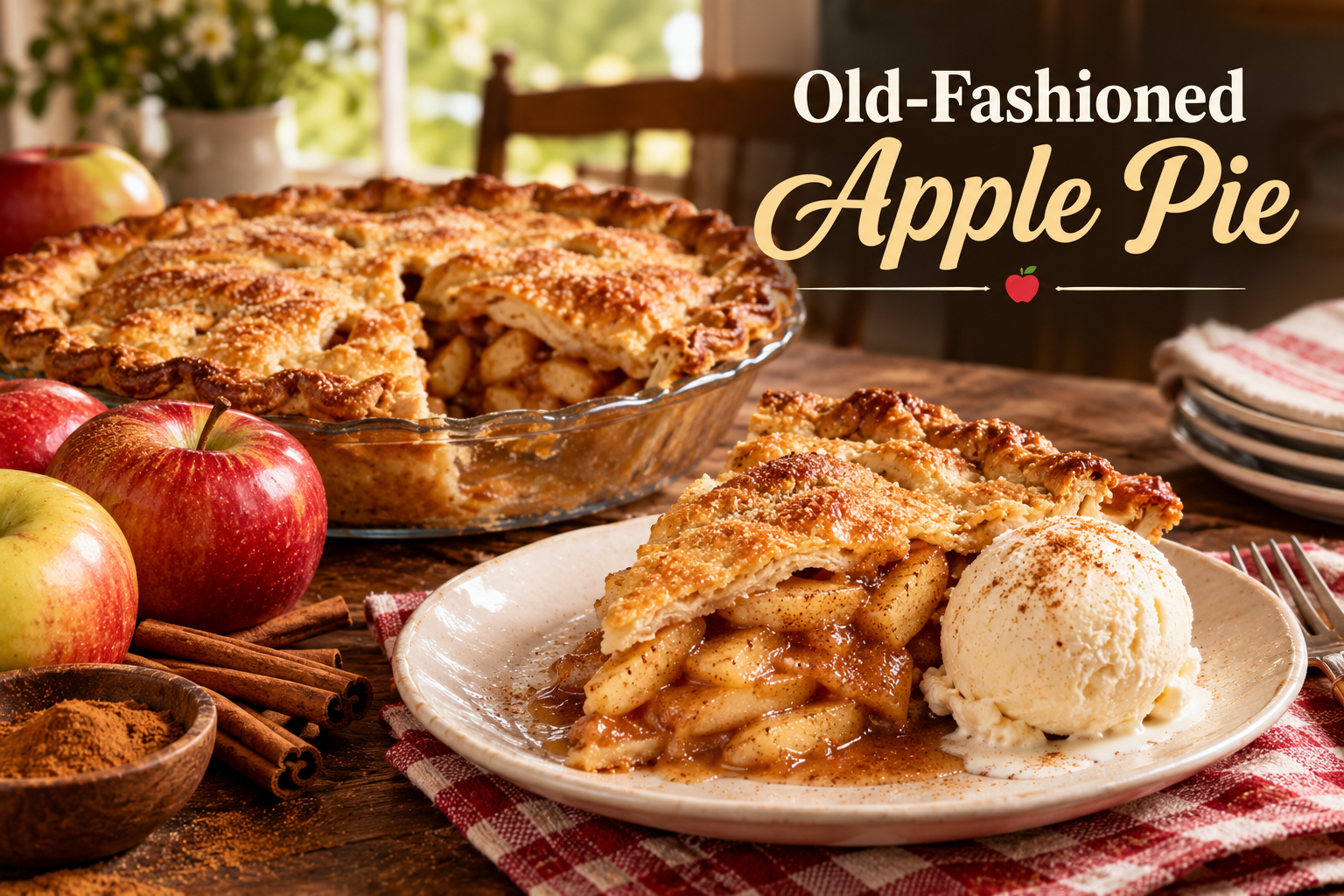
Maybe an apple pie baking in the oven.
Those smells could travel through the entire house.
For a child, they could become part of what Sunday itself smelled like.
And decades later, one familiar smell can sometimes bring the whole memory back.
Homemade Food Took Time
One of the biggest differences between a traditional Sunday meal and a typical rushed dinner was simply the time involved.
Convenience foods were certainly available in the 1970s. Frozen dinners, canned vegetables, boxed mixes, instant potatoes, and other shortcuts were already common in American kitchens.
But Sunday was often the day when families were willing to do a little more.
A roast needed time.
A homemade pie needed time.
Even mashed potatoes weren’t instant. Someone had to peel them, cut them, boil them, drain them, and mash them.
None of that was particularly glamorous.
But there was something satisfying about it.
The food was being prepared because people were going to sit down and enjoy it together.
The Dining Table Was Part of the Tradition
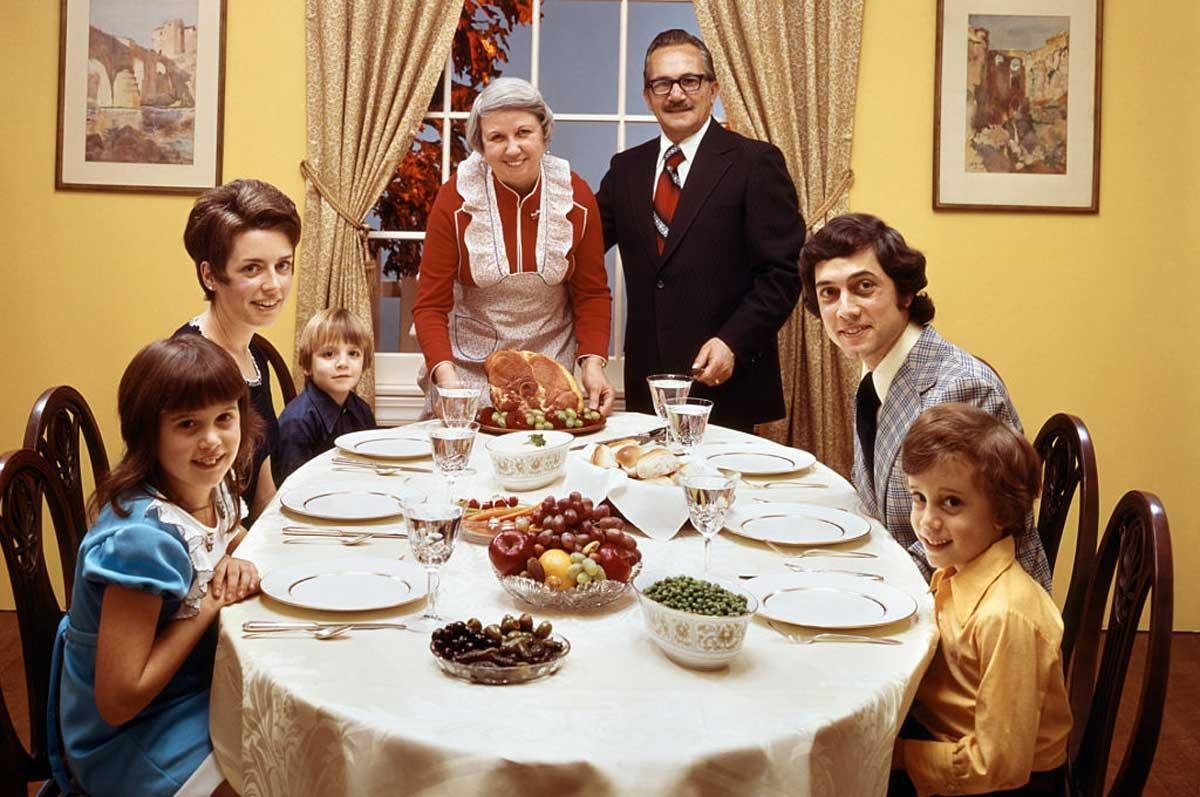
For many families, Sunday dinner was one of the times when everyone was expected to sit down at the same table.
Maybe the television was on in another room.
Maybe there was music playing.
But dinner itself happened around the table.
People talked about school and work.
Parents asked questions.
Kids complained about vegetables.
Grandparents told stories.
Someone brought up plans for the coming week.
And yes, families probably argued sometimes, too.
Real family dinners weren’t perfect.
They were simply shared.
And that may have been what made them important.
Sunday Dinner Was Often a Bigger Meal
A weeknight dinner didn’t always need to be an event.
It could be meatloaf, soup, leftovers, sandwiches, eggs, or a casserole.
Sunday was different.
There was often a main dish, several sides, bread, and something sweet afterward.
Dessert might have been:
- Apple pie
- Chocolate cake
- Banana pudding
- Peach cobbler
- Rice pudding
- Homemade cookies
- Ice cream
- A Jell-O dessert
For children, dessert was often the part of Sunday dinner worth waiting for.
For everyone else, it was simply another reason to stay at the table a little longer.
Family Recipes Were Passed From One Person to Another
Today, finding a recipe is as easy as typing a few words into a search bar.
It wasn’t like that back then.
Recipes traveled through families and communities.
They were handwritten on index cards.
Copied into notebooks.
Printed in church cookbooks.
Shared between neighbors.
Passed from mother to daughter, father to son, aunt to niece, or grandmother to grandchild.
And many recipes came with a story.
“This is the chicken Grandma always made.”
“Your aunt brought this casserole to every family gathering.”
“Mom made this pie every Sunday.”
That’s part of what makes old recipes so interesting.
You’re not just preserving instructions.
You’re preserving a little piece of someone’s life.
Church Cookbooks Were Little Pieces of Community History
Community and church cookbooks played an important role in preserving everyday recipes.
They were usually filled with dishes contributed by ordinary people rather than professional chefs.
There might be pages of casseroles, cakes, pies, salads, breads, soups, and family favorites.
The recipes were practical.
They were meant to feed real people, often without spending a fortune.
And because they came from different families, the same dish could appear several times with slightly different ingredients.
One person’s potato salad wasn’t quite the same as another person’s.
That’s exactly what makes those old cookbooks so charming.
Sunday Dinner Was About More Than the Food
When you think about it, the food was only part of the tradition.
Sunday dinner created a reason for people to gather.
Grandparents might come over.
Aunts and uncles might visit.
Children might spend the afternoon at a relative’s house.
Sometimes the table included several generations at once.
The meal didn’t have to be expensive.
It didn’t have to look like something from a magazine.
It just needed to bring people into the same room.
And in the 1970s, when many families followed fairly predictable weekly routines, that recurring Sunday gathering could become an important part of family life.
Why Old Sunday Dinners Can Taste So Good in Our Memories
There’s something interesting about the way we remember food.
We don’t always remember a flavor by itself.
We remember where we were when we ate it.
Mashed potatoes might remind someone of their grandparents’ kitchen.
The smell of roast chicken might bring back a childhood home.
Apple pie might bring back a particular Sunday afternoon.
Even something as ordinary as green beans can become meaningful when it’s connected to people we loved.
That’s why recreating an old family recipe isn’t necessarily about getting every ingredient exactly right.
Sometimes it’s about getting close enough to the feeling.
What Might Have Been on a 1970s Sunday Plate?
Imagine sitting down to a traditional Sunday dinner:
Roast chicken, mashed potatoes, gravy, green beans, a warm dinner roll, and apple pie for dessert.
It’s a simple combination, but it tells you a lot about the way these meals were structured.
There was usually a main dish.
There were one or two vegetables or side dishes.
There was bread.
And, if you were lucky, there was dessert.
Of course, families and regions had their own traditions. Not everyone ate the same thing, and there was never one single “1970s Sunday dinner.”
But the idea was remarkably consistent:
Cook something comforting. Put it on the table. Sit down together.
The Tradition Still Makes Sense Today
Family life looks very different now.
Schedules are busier. People work different hours. Children have activities. Families may live far apart.
Still, the basic idea behind Sunday dinner hasn’t become outdated.
You don’t need a roast.
You don’t even need a Sunday.
Choose a meal, slow down for a while, and sit down with the people you care about.
It could be baked chicken, chili, lasagna, soup, or homemade pizza.
The recipe isn’t the important part.
Making time for one another is.
How to Bring Back the Feeling of a 1970s Sunday Dinner
You don’t need a vintage kitchen or a collection of old family recipes to recreate the experience.
Start small.
1. Pick one comforting main dish
Roast chicken, pot roast, baked ham, or meatloaf all work beautifully.
2. Keep the sides simple
Mashed potatoes and green beans are more than enough.
You don’t need to prepare ten different dishes.
3. Make one thing from scratch
Try homemade biscuits, a simple cake, apple pie, or even a batch of cookies.
4. Set the table
Even an ordinary dinner feels a little more special when everyone sits down together.
5. Slow down
Don’t treat Sunday dinner like another meal that needs to be finished as quickly as possible.
6. Tell the story behind the food
If you’re making an old family recipe, tell the younger people where it came from.
Who used to make it?
When did they serve it?
Why did everyone love it?
Those stories are part of the recipe, too.
A Simple Sunday Dinner Inspired by the 1970s
Want to try it yourself?
Keep it uncomplicated:
Main: Oven-roasted chicken
Side: Mashed potatoes with gravy
Vegetable: Green beans with a little butter and seasoning
Bread: Warm dinner rolls
Dessert: Apple pie or baked apples
You can also give the meal a more modern balance by making vegetables a generous part of the plate and keeping the portions of meat and starch reasonable.
There’s no need to recreate the 1970s exactly.
Take the part of the tradition that still works today:
Simple food. A little time. And people sitting around the same table.
Why We Still Miss Sunday Dinner
Maybe what people remember most isn’t the roast.
It isn’t the gravy.
It isn’t even the pie.
It’s the feeling.
Sunday meant somebody was cooking.
The kitchen smelled good.
The table was being set.
Family members were nearby.
For a little while, everyone seemed to be in the same place.
Life wasn’t necessarily perfect. Families weren’t perfect. And Sunday dinners certainly weren’t perfect.
But they created a rhythm.
A familiar moment that came around week after week.
That’s probably why old Sunday dinners continue to live in people’s memories long after the plates have been cleared and the recipes have started to fade.
The food may change. The families may change. But the simple pleasure of sitting down together never really goes out of style.
A Final Thought
If you have an old family cookbook tucked away somewhere, take a look through it.
You might find a recipe you’ve completely forgotten about.
Maybe it’s written in someone’s handwriting. Maybe there’s a stain on the page from years of use. Maybe the measurements are vague and the instructions assume you already know what you’re doing.
Don’t throw it away because it isn’t perfect.
Cook it.
Change it if you need to.
And, most importantly, share it with someone.
Because the best part of an old recipe isn’t always what’s written on the page.